How to Restore Cast Iron Skillets: The Salt Scrub Method
Why the Salt Scrub Works
Cast iron skillets are prized for their heat retention and natural nonstick surface when properly seasoned. Over time, though, food residue and stuck-on bits can accumulate. The salt scrub method is a gentle, effective way to remove debris without stripping away the seasoning layer that gives cast iron its performance.

What You Need
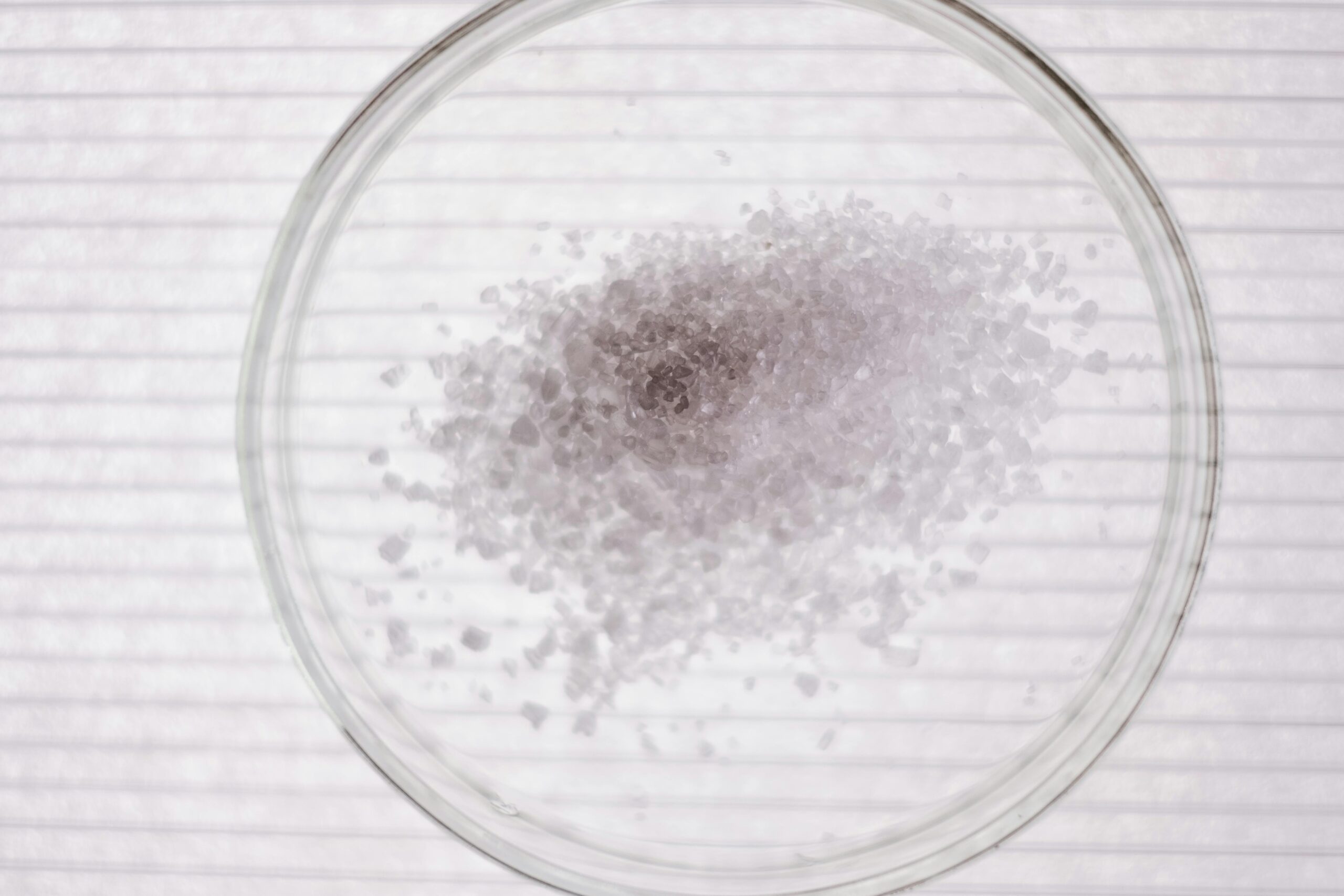
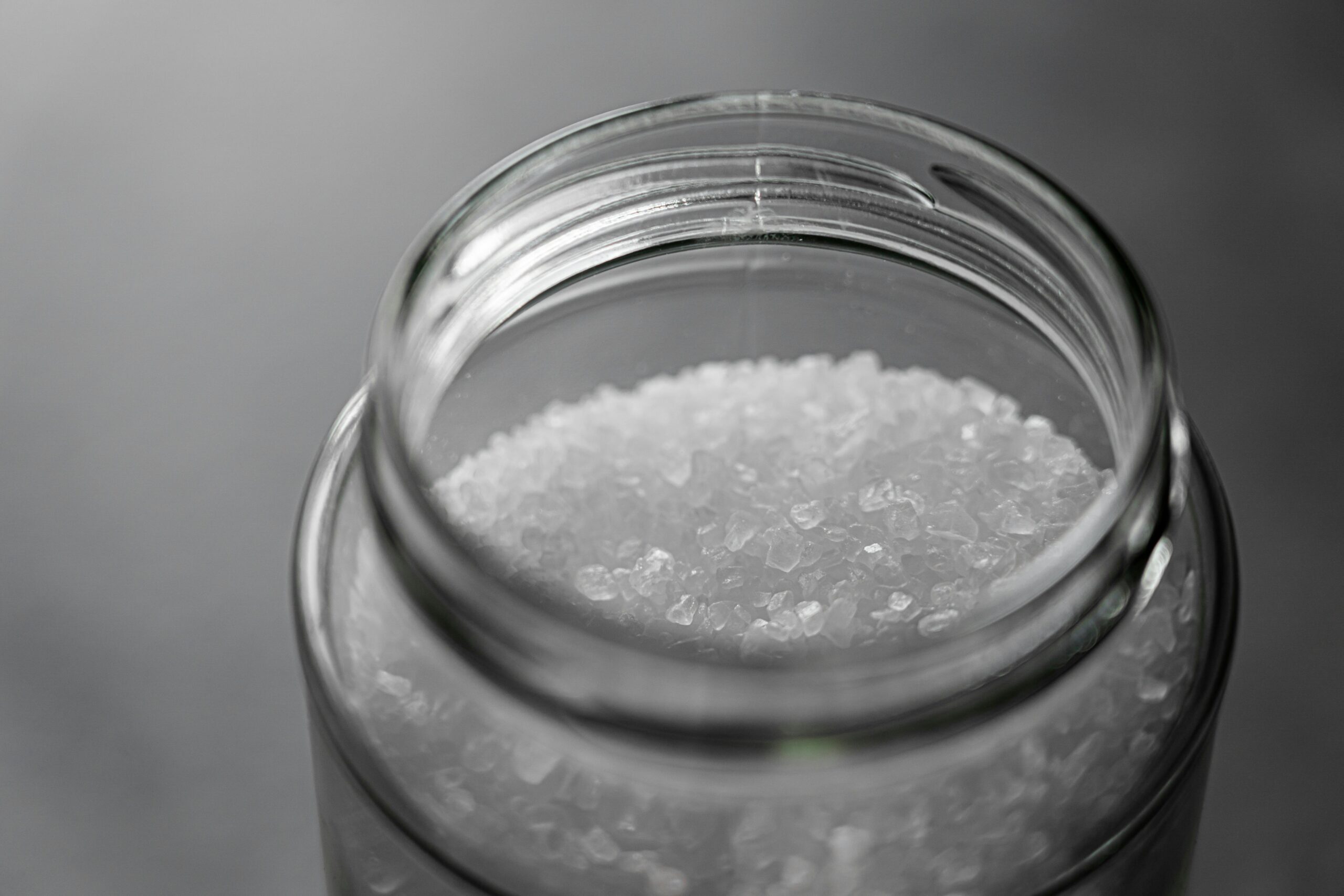
- Coarse kosher or sea salt
- Warm cast iron pan (just off the stove)
- Paper towels or a cloth scrubber
- Light oil for finishing (vegetable oil, flaxseed oil, or grapeseed oil)
Step-by-Step Salt Scrub
- Heat the pan slightly: Warm the skillet on low for a minute or two to loosen food particles. Avoid overheating.
- Pour in salt: Add a generous handful of coarse salt to the warm pan, enough to cover the soiled areas.
- Scrub gently: Using a folded paper towel or a non-metallic scrubber, rub the salt around the interior in circular motions. The salt acts as an abrasive that removes residue while sparing the seasoning.
- Rinse lightly: If needed, rinse the pan briefly with warm water to remove the salt and loosened food. Do not soak the pan.
- Dry thoroughly: Immediately dry the skillet with a towel and then heat it on the stove for a minute to evaporate any remaining moisture.
- Apply a thin oil layer: While the skillet is warm, put a drop or two of oil on a paper towel and wipe a thin, even coat across the entire cooking surface to protect and maintain the seasoning.
Tips and Troubleshooting
If you encounter stubborn rust spots or severe grime, you can repeat the salt scrub and follow with a light reseasoning: wash, dry, rub a thin layer of oil, and bake upside down in a 450°F oven for an hour (place foil beneath to catch drips). Avoid dish soap for regular cleaning; occasional mild soap is fine if you immediately reapply oil and heat-dry the skillet.
Do not use steel wool or harsh abrasives unless you plan to fully re-season, as they will remove the built-up seasoning. For sticky residues, add a little water while scrubbing with salt, then pour it out and dry promptly.
Maintenance and Storage
After each use, remove food with a salt scrub or hot water and a brush. Dry and oil lightly. Store your skillet in a dry place, and if stacking with other pans, place a paper towel between them to protect the surface. Regular light oiling keeps the pan nonstick and prevents rust.
Final Thoughts
The coarse salt method is simple, inexpensive, and preserves the seasoning that makes cast iron special. With a little routine care, your skillet will improve with age and reward you with delicious, evenly cooked meals for decades.




Excellent step-by-step. I added a folded cotton rag instead of paper towels for eco reasons and it worked fine. Thanks!
Great guide — I used this method on my grandmother’s skillet and it came out like new. The salt really lifts the stuck bits without harming the seasoning.
For anyone worried about oil choices: I use a neutral oil like grapeseed and it hasn’t polymerized weirdly. The thin coat is key.
I was nervous about rinsing, but the tip to dry on the stove works perfectly. No rust so far and the pan feels smoother after each oiling.
If the pan has rust, I found repeating the salt scrub plus a reseason in the oven restored it. Took a few cycles but worth it.