Degrease Pots and Pans with Salt: A Simple, Chemical-Free Method
How to Degrease Pots and Pans with Salt
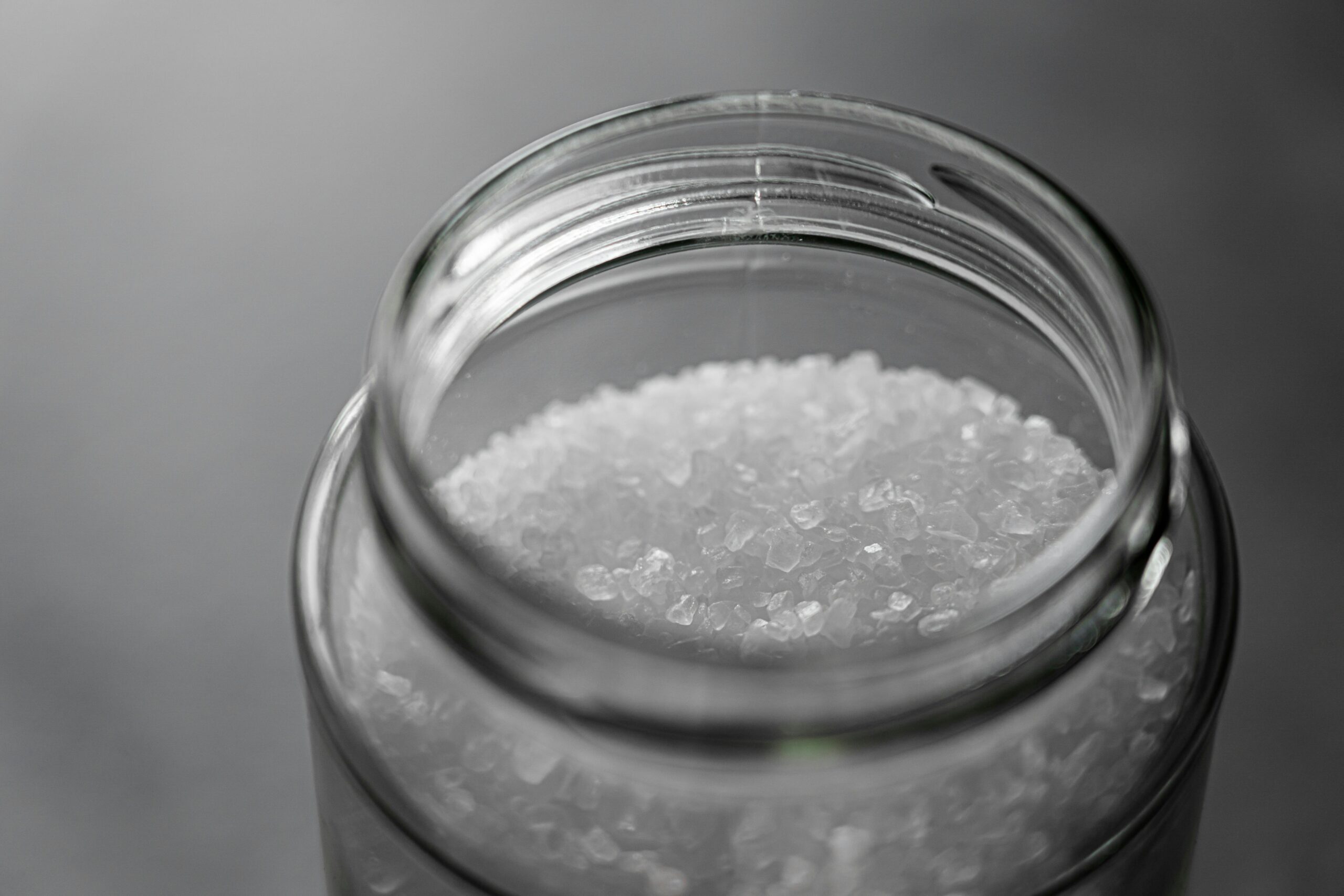
Salt is an inexpensive, effective scrubbing agent that can lift and remove burned-on grease without harsh chemicals. When used correctly, it gently abrades away stuck food and grease while being safe for many metal cookware surfaces. Below you’ll find a clear step-by-step method, safety notes for different materials, and tips for stubborn spots.
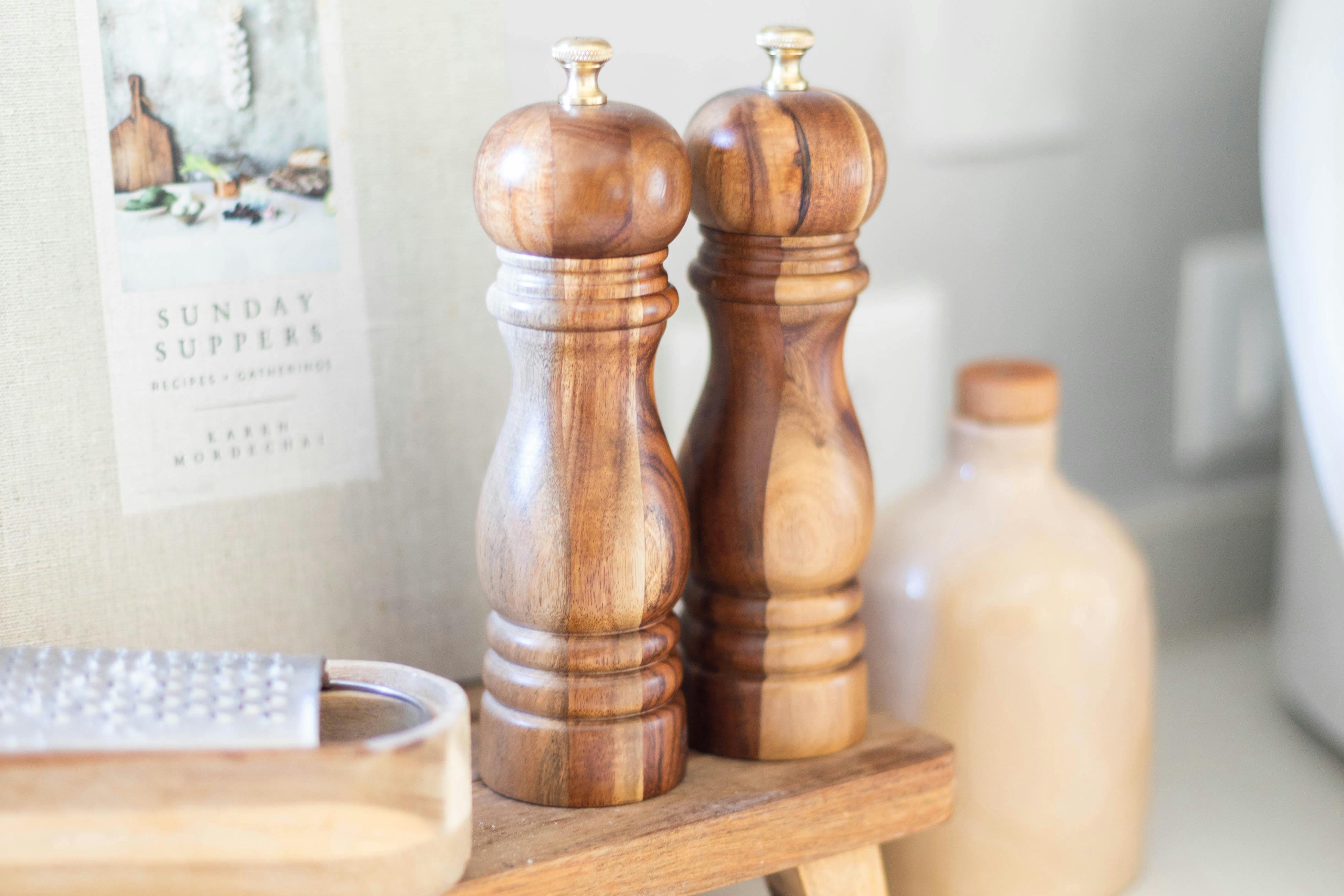
What you need
- Coarse salt (kosher or sea salt works well)
- Warm water
- Mild dish soap (optional)
- A soft cloth, non-scratch scrubber, or nylon brush
- Paper towels or a sponge
Step-by-step clean using salt
- Allow the pan to cool slightly if hot — but it helps if the pan is still warm for loosening grease. Do not submerge a very hot pan into cold water (risk of warping).
- Fill the pan with enough warm water to cover burned areas and add a squirt of dish soap. Let it soak for 15–30 minutes to loosen residue. For very tough burns, let it sit longer or bring the water to a gentle simmer for a few minutes, then let cool to handling temperature.
- Drain or scoop out excess water, leaving the surface damp but not flooded.
- Sprinkle a generous layer of coarse salt over the greasy or burned spots. Salt acts as a mechanical abrasive that lifts the dirt without the need for chemicals.
- Using a cloth, folded paper towel, or nylon brush, scrub in circular motions. Apply steady, gentle pressure. For stubborn spots, you can add a few drops of lemon juice or a little dish soap to the salt for extra cutting power.
- Rinse thoroughly with warm water and dry. For cast iron, rinse quickly and dry immediately over low heat, then apply a thin layer of oil to protect the seasoning.
- Repeat the salt scrub for persistent stains. For very tough baked-on carbon, a paste of baking soda and water or a short soak may help after the salt treatment.
Which cookware responds best
- Stainless steel: Excellent candidate — salt safely scrubs away grease and burnt food. Use gentle scrubbing to avoid dulling polished finishes.
- Cast iron: Salt is often recommended as a seasoning-friendly scrub: use coarse salt and a paper towel to scour, then re-oil. Avoid prolonged soaking in water.
- Carbon steel: Similar to cast iron — salt works well when used carefully, followed by drying and oiling.
- Non-stick & ceramic coatings: Use caution. Coarse salt can scratch non-stick surfaces. Prefer a soft cloth or a sponge and mild detergent for these pans.
- Anodized aluminum & delicate finishes: Check manufacturer guidance; when in doubt, test on a hidden spot first.
Why this method works and its benefits
Salt provides a gritty texture that dislodges stuck particles without relying on chemical solvents. It’s inexpensive, non-toxic, and leaves no harmful residues — a greener option for regular maintenance. Because you can often avoid harsh cleaners or heavy-duty oven sprays, this method is both gentler on cookware and safer for your kitchen environment.
When not to use salt and other tips
- Avoid aggressive scrubbing on non-stick or highly polished surfaces.
- Do not use salt to remove major carbonized deposits without first softening them with soaking or boiling water — rubbing too hard risks scratching.
- For enamel-coated or delicate decorative cookware, consult the manufacturer.
- If salt alone doesn’t do the job, try a baking soda paste (baking soda + water) or a brief simmer with a splash of vinegar to loosen residue, then finish with a salt scrub if appropriate.
Maintenance to prevent build-up
Preventing heavy grease and burns saves time: avoid cooking at unnecessarily high temperatures, deglaze pans with liquid (wine, stock, or water) while hot to lift browned bits, and clean pans promptly after use. Small daily efforts make deep cleans less frequent.
Salt is a versatile, safe, and effective scrubbing helper for many types of metal cookware when used gently. Keep a small jar of coarse salt near your sink — it’s a tiny investment for cleaner pans and fewer chemicals in your home.




Be careful with non-stick pans — I scratched one before learning this. For non-stick, I stick to soft sponges and gentle cleaners.
Tried this on my stainless pan and it worked better than I expected. Left a small amount of lemon juice in the mix for extra sparkle.
Helpful tips about cast iron — I use coarse salt and a paper towel, then oil right after. It keeps the seasoning intact.
Good eco-friendly method. Also worth mentioning: for very stubborn carbon, sometimes a baking soda paste after soaking does the trick.