
Clean Cutting Boards with Salt and Lemon
How to Clean Cutting Boards with Salt and Lemon
If you want a simple, natural way to refresh and deodorize wooden or plastic cutting boards, coarse table salt and a lemon half make an inexpensive, effective pair. The salt acts as a gentle abrasive to lift stains and stuck-on food particles, while the lemon provides citric acid that helps reduce bacteria and leaves a fresh citrus scent. This method is safe, uses common kitchen ingredients, and is quick to do between heavier cleanings.
Why this works
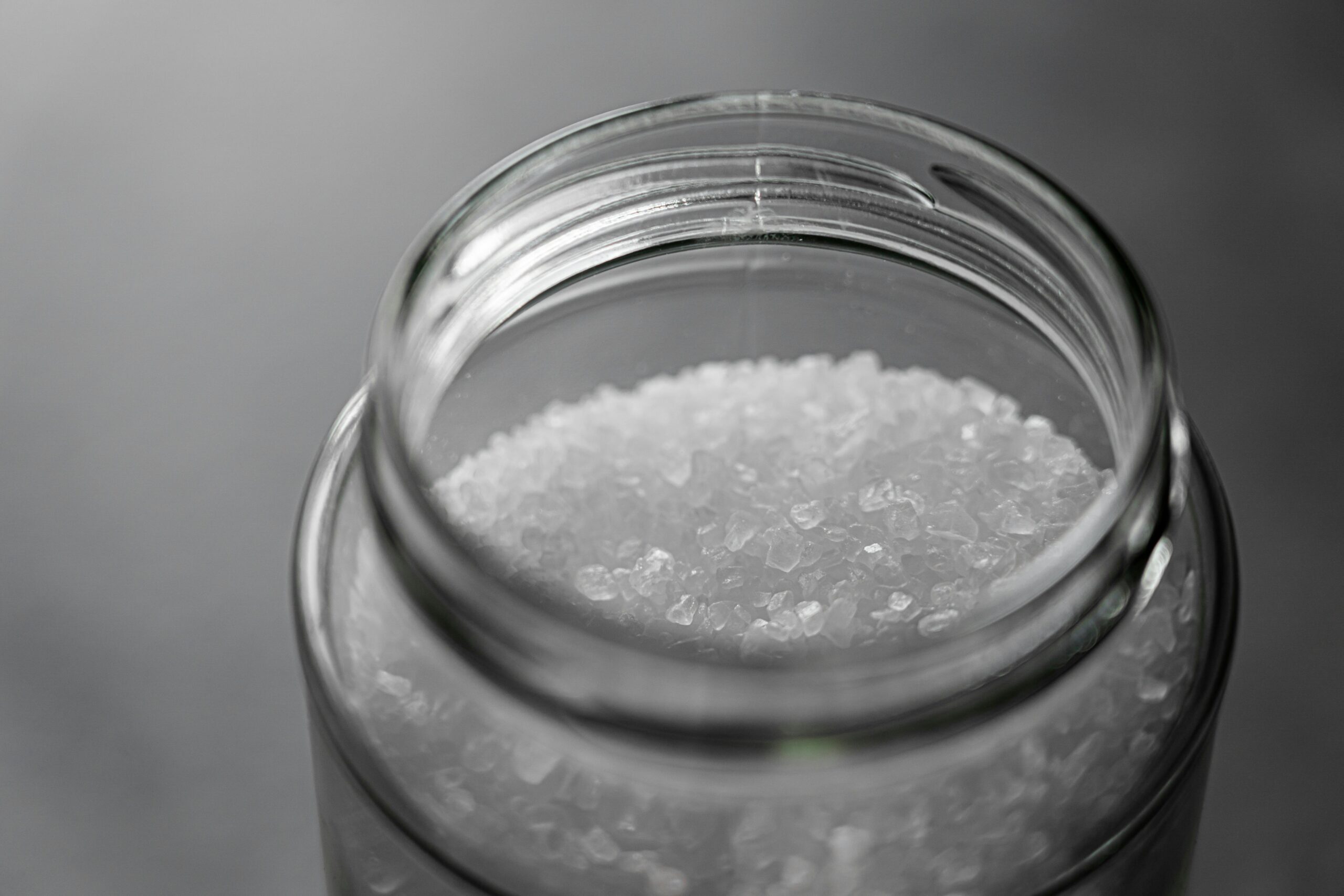
Coarse salt (or kosher salt) creates friction to scrub away residues without overly abrading a board’s surface. The lemon’s acidity breaks down oils and some surface microbes and adds a pleasant aroma. Together they offer mechanical and chemical action that is particularly useful for wooden boards, which should never be soaked or put in the dishwasher.
Step-by-step
- Sprinkle an even layer of coarse salt over the damp cutting board. Use enough salt to cover the area you want to clean.
- Take half a lemon, cut side down, and use it as a scrubber. Press firmly and move the lemon in circular or back-and-forth motions to work the salt into stains and grooves. The juice will mix with the salt and form a paste that helps lift grime.
- When you’ve scrubbed the whole surface, rinse thoroughly with warm water to remove salt, lemon pulp, and loosened debris.
- Dry the board immediately with a clean towel, then stand it upright or on a drying rack to air-dry completely. Do not let a wooden board sit in standing water or remain soaking wet.
Tips and variations
- For deep or dark stains on plastic boards, you can repeat the process or let the salt and lemon paste sit 5–10 minutes before rinsing. Test on a small corner first if you’re concerned about discoloration.
- A baking soda paste (baking soda + a little water) can be combined with lemon for stronger deodorizing power on plastic, but avoid abrasive scrubbing on soft wood surfaces.
- After cleaning wooden boards, condition them occasionally with food-safe mineral oil or a board conditioner to prevent cracking and keep the wood sealed.
- Although lemon has antibacterial properties, it does not sterilize. For cutting boards used for raw meat, follow your usual food-safety routine (hot soapy wash, sanitizer if desired) in addition to occasional lemon-and-salt refreshes.
- Always use separate boards for raw meats and ready-to-eat foods when possible to avoid cross-contamination.
When not to use this method
Don’t use strong citrus scrubbing on delicate or decorative finishes that could be altered by acid. Also avoid extended soaking of wooden boards; the lemon-and-salt method is designed as a quick scrub and rinse, not a soak.
Quick maintenance schedule
Do a lemon-and-salt scrub when your board develops lingering odors, visible stains, or after cutting pungent foods like garlic or fish. For routine cleaning, hot soapy water and a good rinse are sufficient; reserve lemon and salt for periodic deodorizing and stain removal.
Final notes
Using coarse salt and half a lemon is an eco-friendly, low-cost technique that keeps boards fresh between deep cleans. It’s especially well suited for wooden boards because it avoids harsh chemicals and excessive water exposure. With a few minutes and two pantry staples you can keep your boards looking and smelling clean while preserving their lifespan.




Does this work on plastic cutting boards that have knife grooves? Any extra steps for deep grooves?
Tried this today on my old wooden board — stains came right up and it smells great. Thanks for the clear steps!
Helpful tips about not soaking wood. I always wondered why my board cracked; now I know to oil it more often.