
Deodorize Drains and Trash Cans with Salt and Hot Water
Why salt works
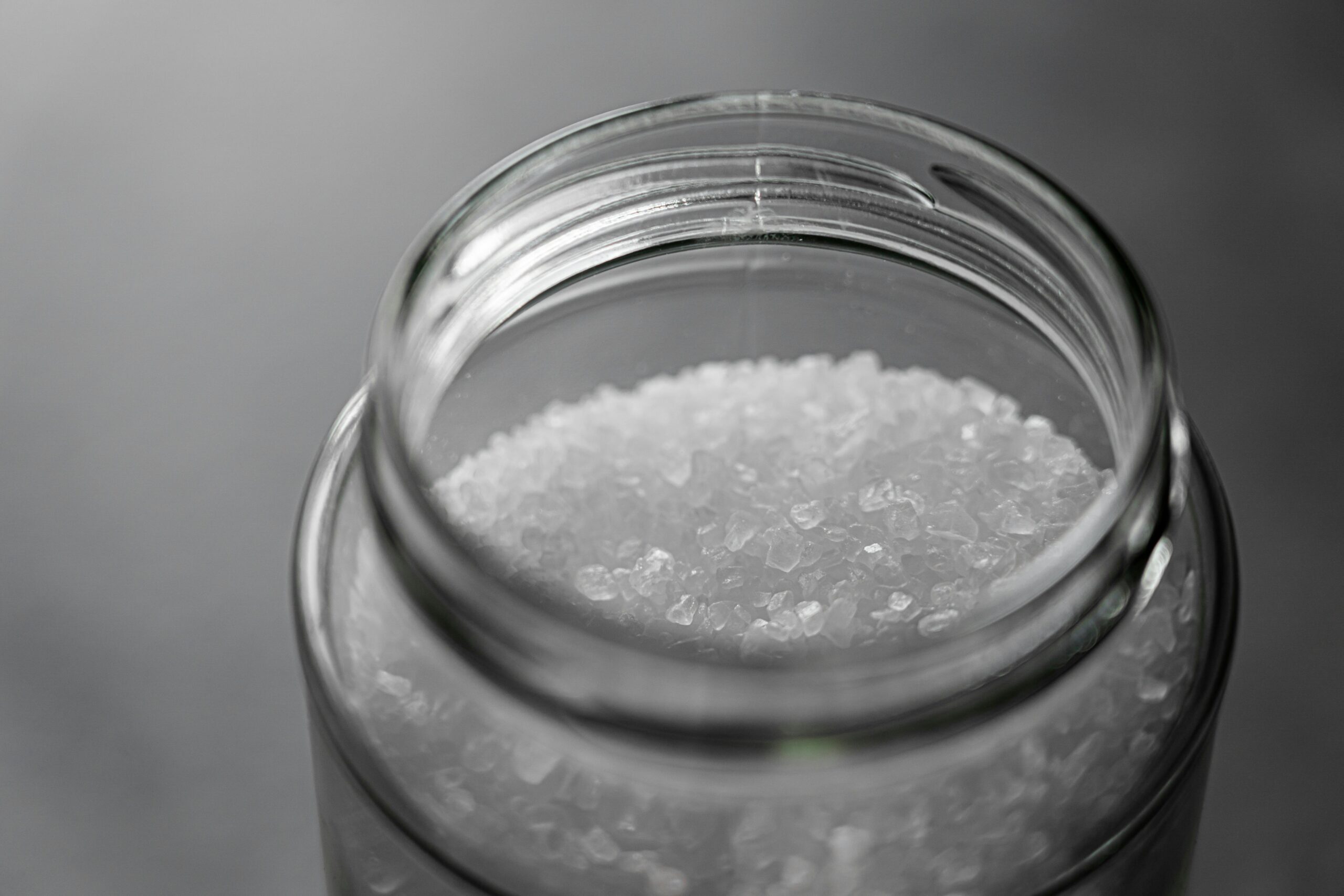
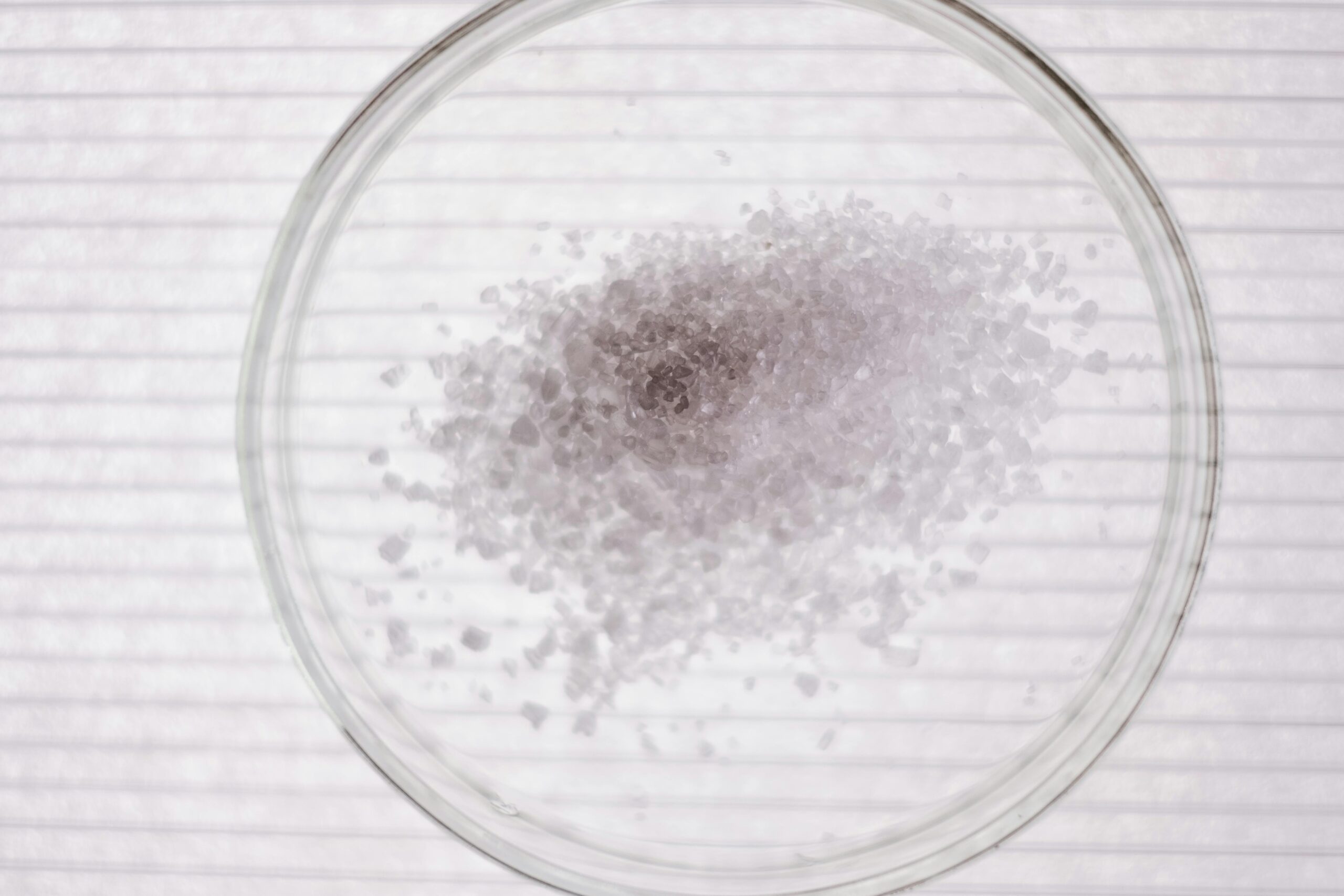
Salt is a simple, inexpensive tool in the home cleaning kit. Its abrasive texture helps scrub away grime and residue that trap odors, while its moisture-absorbing properties can reduce the damp environment where bacteria and mold thrive. When paired with hot water, salt loosens stuck-on particles and washes them away, leaving drains and trash cans fresher with minimal effort and no harsh chemicals.
When to use this method
Use salt and hot water as a routine deodorizing step every 1 to 4 weeks depending on use. For garbage cans that get lots of vegetable scraps or meat juices, treat them weekly. Kitchen sinks and bathroom drains benefit from a monthly flush to keep buildup and odors under control.
Materials you need
- Coarse salt or table salt (coarse is more abrasive)
- Hot tap water, or water heated in a kettle (not boiling if you are concerned about older PVC pipes)
- Optional: a long bottle brush or an old toothbrush for scrubbing
- Gloves if you prefer to protect your hands
Step-by-step for drains
- Run hot water from the tap for 30 seconds to warm the pipe.
- Pour about 1/2 to 1 cup of coarse salt directly into the drain.
- Let the salt sit for 5 to 10 minutes so it can absorb moisture and begin to scrub loose particles.
- Following the wait, flush the drain with a strong stream of hot water for 30 to 60 seconds. If you have a removable drain cover, lift it and scrub with a brush as needed.
- Repeat if odors persist. For stubborn buildup, repeat weekly until the drain clears.
Step-by-step for trash cans
- Empty the trash can and remove the liner.
- Sprinkle a generous layer of salt across the bottom and any stained areas. For a deeper clean, make a paste with a little hot water and scrub with a brush.
- Allow the salt or paste to sit for 10 to 20 minutes to absorb liquids and loosen grime.
- Rinse thoroughly with hot water and let the can air-dry in sunlight if possible.
- To maintain freshness, place a thin layer of dry salt or a few fabric softener sheets at the bottom when you replace the liner.
Enhancements and cautions
- If you want extra cleaning power, sprinkle a little baking soda before adding the hot water; this can help neutralize odors and assist mechanical cleaning. Avoid mixing salt and bleach.
- Avoid pouring near-boiling water into older PVC piping; very hot water over time can soften some plastics. Hot tap water or near-boiling water from a kettle is usually sufficient.
- For garbage disposals, run cold water while operating the disposal and add salt while it runs to help sharpen blades and clear residue. Do not use glass or metal abrasives.
- If odors persist after several treatments, inspect for trapped debris, clogged P-traps, or mold growth that may require deeper cleaning or professional service.
Benefits of this approach
This method is eco-friendly, inexpensive, and easy to do with supplies you likely already have. Salt is non-toxic, does not produce strong fumes, and reduces reliance on commercial cleaners that can contain harsher chemicals.
Routine maintenance tips
Combine a salt-and-hot-water flush with simple prevention: wipe greasy residues from dishes before rinsing, rinse meat juices from containers before discarding, and keep a tight lid on outdoor trash. A quick monthly salt flush for drains and a weekly salt scrub for frequently used trash cans will greatly reduce odor issues and buildup over time.
With just a little salt and hot water, you can keep the small but persistent smell problems in your home under control without complicated products or strong chemicals. Try it the next time a drain or can starts to smell, and adjust frequency to match how your household uses these spaces.



Tried this on my kitchen bin and it made a noticeable difference. The paste tip with baking soda was especially helpful for stains.
Saved me money and the cleanup is easy. Don’t forget to scrub the underside of the trash can lid where grime builds up.
Good reminder about not using boiling water on older PVC. I switched to hot kettle water and it’s worked well for my drains.
I add a few drops of lemon oil after rinsing for a fresh scent. Great eco-friendly alternative to store-bought deodorizers.