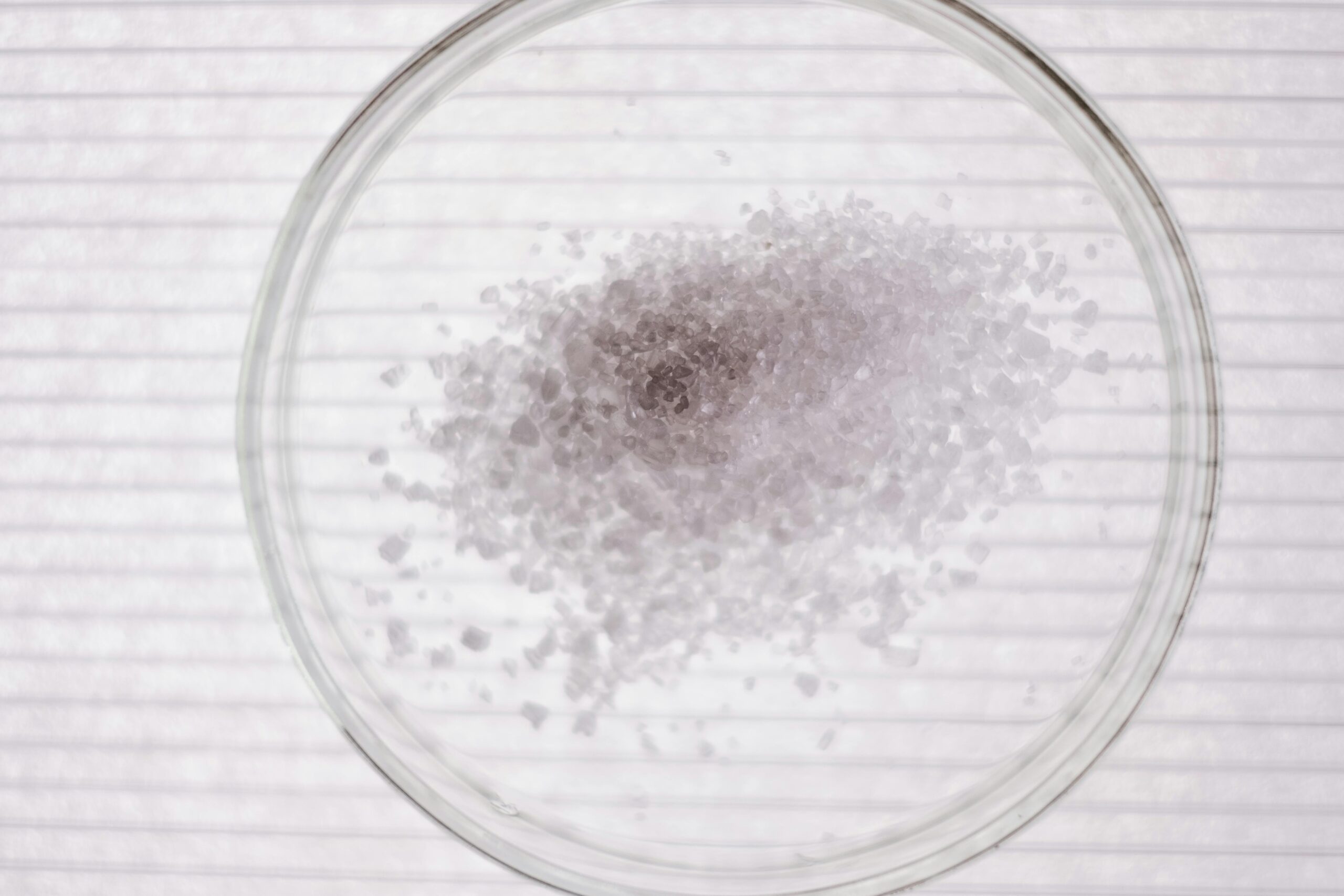
Freshen Carpets and Rugs with Salt: A Simple, Effective Trick
Salt is one of those humble household helpers that often gets overlooked. While primarily known for seasoning food, salt can also be a quick, inexpensive aid for freshening carpets and rugs, especially when dealing with small, localized spills or lingering odors. In this post I’ll explain why salt works, how to use it safely, step-by-step instructions for wine and juice spills, and a few precautions and alternatives to consider.

Why salt helps
Salt is hygroscopic to a degree — it absorbs moisture from its immediate environment. When you sprinkle dry salt onto a damp spill or a spot that smells musty, the salt crystals help draw out moisture and trap particles from the surface. That makes it easier to remove debris and reduces the chance that liquid will soak deeper into the carpet fibers before you can clean it. Salt is also granular, so it provides a mild abrasive action that can help lift particles when you vacuum.
General method for small spills or odors
- Act quickly: The sooner you treat a fresh spill, the better the result. For odors, treat as soon as you notice them.
- Blot excess liquid: Use a clean, absorbent cloth or paper towel to blot (don’t rub) to remove as much liquid as possible.
- Apply salt: Sprinkle a generous layer of table salt or kosher salt over the affected area so the spill is fully covered.
- Let it sit: Leave the salt in place for 15–60 minutes for small spills, longer (several hours) for deeply damp areas. The salt will draw out moisture and begin to clump as it absorbs.
- Vacuum thoroughly: Vacuum up all the salt. Repeat if residue remains, then treat any remaining stain with an appropriate cleaner.
Special steps for wine or juice spills
Red wine and fruit juices can be especially troubling because of strong pigments. Follow these steps:
- Blot immediately: Use a clean cloth to absorb as much liquid as you can. Press down—do not rub, as rubbing can push pigment deeper into fibers.
- Cover with salt: Pile salt over the stained area until it’s well covered. The salt will draw the colored liquid up and away from the fibers.
- Wait: Allow the salt to sit until it looks damp or pinkish from absorbed liquid—usually 30 minutes to a few hours.
- Vacuum or brush away salt: Remove the salt thoroughly. If a stain remains, treat it with a gentle stain solution (see below).
- Treat the remaining stain: For remaining color, dab with club soda or a mixture of 1 tablespoon dish soap + 1 tablespoon white vinegar + 2 cups warm water. Blot gently and rinse with a damp cloth. For stubborn red wine stains, a diluted hydrogen peroxide solution can be effective but test in a hidden spot first because peroxide can bleach some fibers.
Precautions and tips
- Always test the salt and any cleaning solution on an inconspicuous area first to make sure the carpet is colorfast and not damaged.
- Salt can leave a white residue if not vacuumed well. Vacuum carefully and repeat until no residue remains.
- For delicate or antique rugs (especially hand-knotted wool or natural dyes), avoid abrasive treatments and consult a professional cleaner if you’re unsure.
- If the spill covers a very large area or has soaked through to the padding, salt won’t be sufficient — professional cleaning may be necessary.
- Combine salt with other gentle techniques: blotting, mild detergent solutions, and prompt vacuuming generally work best together.
Alternatives and complementary methods
If you prefer not to use salt, baking soda is another excellent option for absorbing odors and moisture. For stained areas it can be left to sit longer and helps neutralize smells. Enzyme-based cleaners are a good follow-up for organic stains (pet urine, food), while oxygen-based stain removers can tackle pigment stains—again, always test first.
When to call a professional
If you’ve tried home methods including salt and the stain remains, or if the stain is old, extensive, or on a high-value rug, professional cleaners have the tools and solutions to extract deep-set pigments and clean padding safely. Also consider a pro if you’re worried about damaging delicate fibers.
Final thoughts
Using salt to freshen carpets and rugs is a handy, low-cost trick that can be surprisingly effective for small, fresh spills and mild odors. It won’t replace deep cleaning when required, but for quick spot treatment—especially red wine or juice—salt is worth keeping in your home cleaning toolkit. As with any cleaning method, proceed with care, test first, and follow up by vacuuming and using gentle cleaners when needed.





Be careful with colored rugs — I tested in a hidden corner first. Also used club soda after vacuuming the salt and the stain faded a lot.
Good tips. I’d add that coarse sea salt works faster but can be a bit harder to vacuum up completely. Table salt is easiest to remove.
Tried this on a small wine spill last week — the salt actually pulled most of the liquid out before I had to use a cleaner. Saved me a lot of scrubbing!
For pet accidents I prefer enzyme cleaners after blotting and salt. The enzymes target the odor source, salt alone didn’t fully remove the smell.